
Community-Based Inclusive Development Programme (CBID)
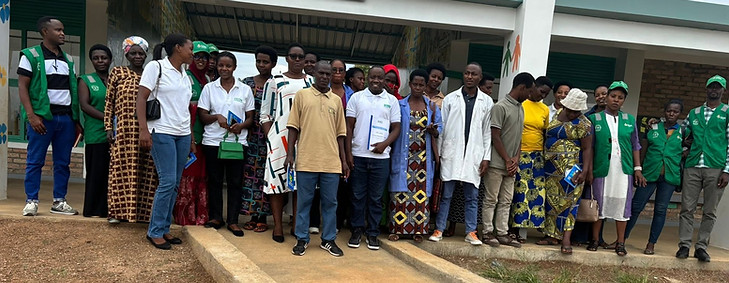
Within our CBID programme, together with the communities we serve, we are building an inclusive society where children with disabilities and their families are valued, empowered, supported, and given the opportunity to reach their full potential. We work closely with the existing structures, families, and local leaders to strengthen coordination and ensure that available resources are effectively used to support inclusive development. By building on what already exists, we make interventions more sustainable, accessible, and community-driven.
Get to Know Us
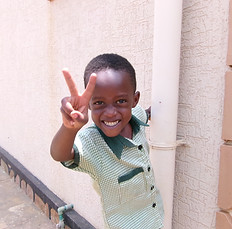
We are a community-based organization established in 2013 with a mission to build a brighter future for all children through the promotion of education, cultural values, and healthy development. Based in Bugesera District, Rwanda, we work with families and local stakeholders to create opportunities for every child to learn, grow, and thrive.
Stories from our beneficiaries
_HEIC.png)
Family relief
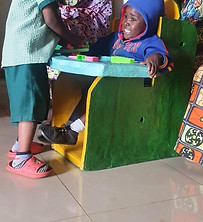
"Before CECHE, my child could only lie down. Now he sits beside me, and I can work while caring for him. It has changed our daily life." Mother of a child with disability
Our Key Interventional approaches
Early Detection & Intervention
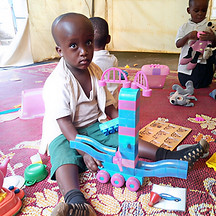
At CECHE, we recognize that early identification of developmental challenges in children is essential for timely and effective support. Through our CBID program, we focus on young children aged 2 to 6 years, promoting early detection of disabilities and other developmental needs within the community.
We work closely with families, community volunteers, and local stakeholders to identify children who may require additional support at an early stage. Once identified, they are enrolled in a therapeutic intervention and/or Early Childhood Development (ECD) program.
Our approach empowers parents and caregivers with knowledge and skills to support their children at home and in the community. By intervening early, we aim to reduce long-term challenges and ensure that every child has the opportunity to grow, learn, and reach their full potential.
Optimum Use of Community Available Resources

Parent and Caregiver Training
Local Manufacturing of Assistive Devices
For the sustainability of our CBID programme, every intervention is built on the effective use of resources already available within the community. We strongly value partnerships with existing community structures such as Community Health Workers (CHW), Psychosocial Workers (PSW), and Inshuti Z’Umuryango (IZU), as well as local knowledge, community networks, and infrastructure.
We work closely with these structures, families, and local leaders to strengthen coordination and ensure that available resources are effectively used to support inclusive development. By building on what already exists, we make interventions more sustainable, accessible, and community-driven.
This approach fosters strong community ownership and reduces dependency on external support, helping to create resilient communities capable of supporting the inclusion and well-being of all children.
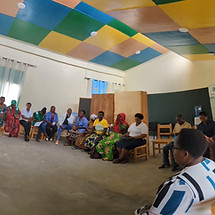
We design and deliver practical training and guidance to parents, caregivers, and other community stakeholders, equipping them with the skills needed to support children’s development at home and in daily life. This also includes providing accurate information about disability to address and reduce negative community stereotypes.
By transferring skills and knowledge to both families and community structures, we ensure shared responsibility, stronger community engagement, and the long-term sustainability of our own CBID programme.
We promote the local manufacturing and adaptation of assistive devices to improve their availability and affordability for children with disabilities in Rwanda. Through our Appropriate Paper-Based Technology (APT), we work with local community members and parents to produce simple, appropriate, and context-specific assistive solutions that support different areas of development, such as positioning, mobility, communication, and social interaction with the environment.
By promoting local production, we reduce costs, improve accessibility, and ensure that assistive devices are better suited to the daily needs and environments of the children we support. This approach also strengthens local skills and creates opportunities for community members involved in production and maintenance.

Location
Address
Ntarama sector,
Bugesera District,
Rwanda
Opening Hours
Monday - Friday:
8:00 am – 4:00 pm